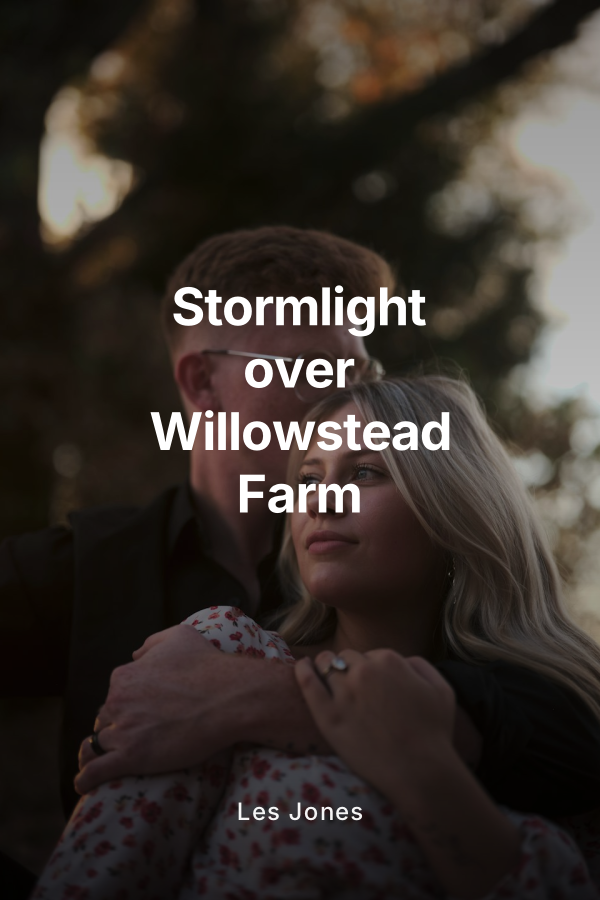
Only the first page of this book is left. We lost the rest in October 2026.
We lost access to the service that stored them, and no other copy exists. We're sorry.
In the quiet valley around Willowstead Farm, autumn sunlight spills over stone walls, hedgerows, and grazing dairy cows while red and gold leaves drift into the pastures. At the heart of this landscape lies a love story that once broke under the weight of family pressure and whispers of a life that should have been more. Now, as storms gather over the hills and winter waits at the edges of the fields, two people must decide whether their second chance is worth risking everything they were taught to value.
The novel follows a second‑chance romance between former sweethearts who run a traditional dairy farm together in the countryside. Years ago, they were torn apart when an influential relative, who controls the promise of family inheritance, pushed hard for a more “advantageous” match. With vague hints of future wealth and status, that relative demanded a different marriage and quietly threatened to cut off any heir who chose love over money. The betrayal of that time left deep scars, not only between the couple but also between them and the village that watched and gossiped from the hedgerows.
Now reunited at Willowstead Farm, the lovers work side by side among gentle cows, curious barn cats, and wild deer that drift down at dusk to the edge of the fields. Their days are rooted in the practical rhythms of milking, mending fences, and caring for the animals, yet their evenings turn tender and intimate as the seasons shift. In autumn, they share steaming mugs of mulled drinks by the fire after long days of harvest work, their conversations soft and searching while rain taps against the farmhouse windows. Under crisp, clear skies, they walk out into the dark pastures for late night stargazing, wrapped in blankets and unspoken questions about whether they dare trust each other again.
The village around them is close knit and watchful. Every year, the winter festival threads twinkling lights through bare branches and strings lanterns along the lanes. Market stalls sell cheeses from Willowstead, hot pastries, and fragrant drinks, while music drifts from the village green. It should be pure magic for the couple, but behind the smiles run thin, sharp strands of gossip. Neighbours murmur that Willowstead and its owners are “cursed with storms,” that disaster follows them, that no plan they make can ever last. Those whispers are fanned by the same influential relative who continues to change their mind from week to week, hinting one moment at favour and then at disinheritance the next, keeping everyone in a state of anxious uncertainty.
The farm itself holds the memory of an old family wound. An ancestor once abandoned the valley for wealth and status in the city, leaving behind land, love, and a community that never quite forgave the choice. In the dusty attic, tucked between rafters and old trunks, lies a hidden packet of letters that tell the real story. When the couple eventually uncover these letters, they find raw regret on every page. The ancestor writes of a grand house that never felt like home, a marriage built on convenience instead of affection, and an ache for the fields and faces left behind. This confession is a turning point that challenges everything the influential relative has ever claimed about success, duty, and what it means to protect the family legacy.
Before that revelation can fully settle, a violent storm tears through the valley. Wind batters the old stone farmhouse, rain lashes the hillsides, and the river heaves itself over the banks. In a single night, years of careful work are whipped apart. Barn roofs are torn open, paddocks flood, and frightened animals must be coaxed to safety in the roar and darkness. The dairy herd, the deer in the hedgerows, and the smaller creatures that shelter on the farm all draw the couple, their neighbours, and the entire village into a desperate struggle against the elements.
In the aftermath, Willowstead stands battered but not broken. The storm does more than physical damage; it heightens every fear already living inside the couple. One of them is terrified of losing the deep roots they have in the land, the animals, and the community. The thought of walking away from the scent of hay, from the lowing of cows at dawn, and from the quiet companionship of the deer along the tree line feels like a second kind of death. The other is haunted by the possibility of repeating old family patterns, of sacrificing safety and security in the name of romantic ideals only to end up bitter and full of regret. With the influential relative still dangling vague promises of wealth and support, the pressure to choose a more conventional path grows ever stronger.
Yet within that crisis arises a new, shared dream for the farm. The couple decide to turn Willowstead into a small animal therapy retreat, especially for people living with grief. Their idea is to rebuild not as a more efficient business, but as a sanctuary where animals and humans can learn to trust again. The first person to truly test this dream is a widowed older neighbour who has long lived just across the lane, almost like family and yet wrapped in their own sorrow. Drawn to the gentle steadiness of the animals and the warmth of the farmhouse kitchen, this neighbour begins helping with soft grooming sessions, brushing coats and speaking quietly in the stalls. These moments become spaces where memories of a lost spouse can be shared, fears can be spoken, and the neighbour can begin to open up to the village again.
As the retreat grows, guests arrive at the farmhouse gate and are met with warm greetings that set the tone for everything that follows. Names are remembered, stories are welcomed, and a sense of safety settles over those who step onto the gravel path. The widowed neighbour becomes a gracious host, offering guests hot drinks, friendly conversation, and introductions to the animals who will accompany them through their healing. Gentle teasing about the couple’s feelings fills the air during chores and quiet evenings, lightening the atmosphere while also nudging the lovers toward honesty and commitment.
Meanwhile, the village must decide how it will respond. Some cling to the old belief that storms and misfortune cling to Willowstead. Others watch the retreat help their grieving neighbours and feel a new kind of respect grow. At the winter festival, where once there were only subtle slights and sidelong glances, the widowed neighbour begins to speak openly about what the farm has done for them, calling on others to put aside superstition and support the retreat. This public show of trust marks a slow but powerful shift from suspicion to solidarity.
The climax of the story arrives when the influential relative uses the devastation of the storm as leverage. They hint that serious money is available, that a comfortable life in town could be guaranteed, if the couple will sell the farm or at least abandon their risky, slow, grief focused retreat. The implied threat is clear: choose love, community, and a fragile dream, and you may lose everything that has been vaguely promised for years. Choose money, and you will never have to face another season of worry, another night listening to the wind claw at the walls.
Faced with this ultimatum, the couple return to the attic letters and to the truth they tell. The ancestor who once chased wealth writes plainly about the coldness of a house built without love, the loneliness of a life without rootedness or shared purpose, and the way storms of the heart follow even those who live in perfectly calm weather. With those words echoing in their minds, the couple make their choice. They decide to invest their own limited savings into rebuilding the farm and the retreat in a slower but kinder way, prioritising safe spaces for animals, gentle routines for guests, and ethical, resilient rebuilding over quick profit.
This decision is a visible sacrifice. It means draining emergency funds, turning down the chance of easy money, and accepting more seasons of hard work and uncertainty. At the same time, it becomes a public declaration that they will always choose each other, the farm, and the community over vague promises of wealth or acceptance from those who value status above connection. Their choice breaks the old pattern that has haunted their family for generations and proves, to themselves and everyone watching, that love and shared purpose are their true inheritance.
Across five chapters, the book moves through the shifting light of autumn into the deep quiet of winter, always returning to cosy, intimate scenes that contrast with the power of nature and the strain of old wounds. The narrative dwells on small details that carry emotional weight: the warmth of a kitchen fire after a long day in the rain, the glow of lanterns swinging along the track to the barn, mist rising from the backs of cows on frosty mornings, and the crunch of frozen grass under boots during late night walks. Animals are never just background décor; they are active participants in healing, in bringing people together, and in reflecting the couple’s journey toward trust and tenderness.
Thematically, the novel explores what it means to rebuild not only a place but a life after devastation. It asks how community can either crush or cradle vulnerable dreams, and what it costs to step outside long standing expectations. It delves into the tension between fear of future storms and the pull of a home that feels like part of the soul, and it treats grief not as a single event but as a long, complex landscape that can be walked with gentle companionship.
By the final pages, the storm damage has not vanished, nor have old fears completely dissolved, yet something stronger has taken root. The couple stand in a repaired but still humble barn, watching their guests brush the animals in the soft light of a winter afternoon. The widowed neighbour laughs, truly laughs, in a way that has not been heard since before their loss. A shy visitor, once crushed by grief, leans their head against a warm furry shoulder and breathes out some of the weight they have been carrying. Outside, deer step lightly along the edge of the field, their silhouettes framed against a sky that is finally clearing after long, hard weather.
Stormlight over Willowstead Farm is a tender, atmospheric countryside romance about second chances, the courage to choose love over money, and the quiet power of animals and community to help people heal. Set against the colours of autumn and the hush of winter, it invites readers into a world of mulled drinks by the fire, late night stargazing over frost tipped fields, and a farmstead where storms may come, but home and heart endure.