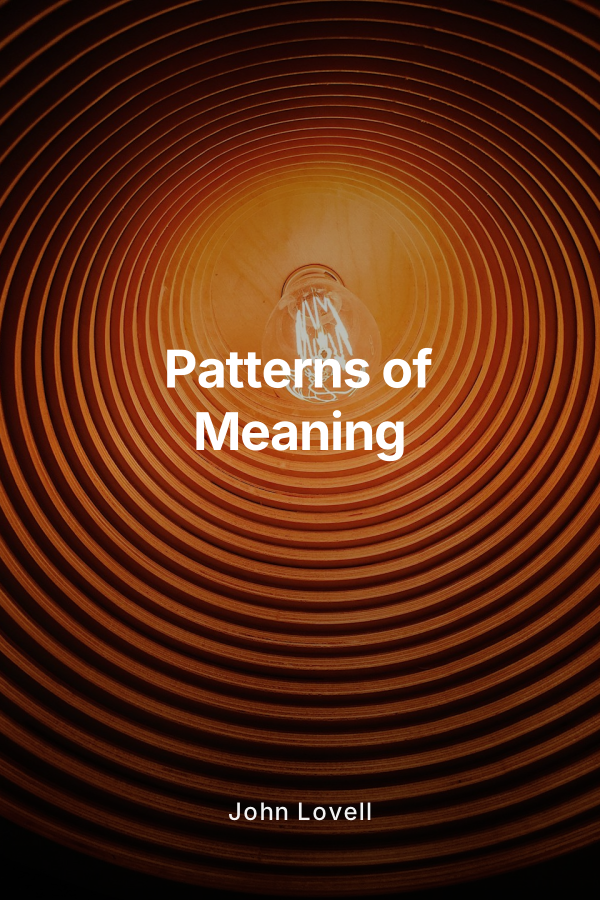
This book invites spiritually curious readers into the fascinating world of numerical patterns in Scripture while giving them a clear, disciplined way to tell the difference between strong, meaningful links and weak, suggestive ones. It is written for believers who notice repeated totals, parallel verse counts, or shared themes across passages and want to explore them without drifting into speculation or building doctrine on fragile codes. Rather than fueling sensational claims, the book teaches readers how to enjoy such patterns as possible hints of design while keeping both feet firmly planted in sound interpretation and context.
Across three substantial chapters, the book moves from wonder to discernment to wise application. The opening chapter introduces the appeal of numerical patterns in Scripture: the sense of discovery, the thrill when two distant passages share the same total or structure, and the intuition that God can weave subtle artistry into the text. At the same time, it tells honest stories of disappointment, where patterns seemed impressive at first but fell apart under scrutiny. This chapter sets the stage by affirming that patterns can be real and spiritually enriching, yet always secondary to the plain meaning of the text. It frames numbers as possible footnotes to what God has said, never the main message itself.
The second chapter is the heart of the book. Here, readers receive the clear, practical tools they have been asking for: a simple way to rate any proposed pattern. Building on the idea of a short, easy checklist and comparison chart, this chapter lays out what counts as a strong link and what should remain only a tentative suggestion. It explains how to weigh factors such as shared totals, repeated themes, clear contextual connections, and independent confirmation from other parts of Scripture. Alongside the positive criteria, the chapter includes a concise set of “do nots” that function as guardrails. Readers are warned not to build doctrine only from numbers, not to ignore the plain context of a passage, and not to force connections that rely on special pleading. Through worked examples, the chapter shows how the same pattern can move up or down in credibility depending on how well it meets these standards.
The final chapter turns from analysis to spiritual posture. It helps readers integrate numerical insights into a healthy devotional life without letting them dominate their faith. The chapter explains how to enjoy patterns as a supplement to regular Bible reading rather than a replacement for it. It encourages humility, reminding readers that many patterns will remain in the category of “possible” rather than “proven,” and that this is acceptable. To support consistent, careful thinking, the book adds quick reminder boxes at the beginning of each chapter and small summaries that restate the main criteria in plain language, so readers always have a one page “How to rate a pattern” close at hand.
By the end, readers are equipped with a balanced framework. They know how to classify what they find as strong, moderate, or possible links, and they understand why some striking arrangements still do not justify new teaching. They have learned to love Scripture more deeply, not because they have uncovered secret codes, but because the patterns they do see echo and reinforce truths that are already clear in the text. The book closes by inviting them to go on exploring, with curiosity tempered by reverence, confident that genuinely meaningful patterns will stand up to both excitement and careful testing.