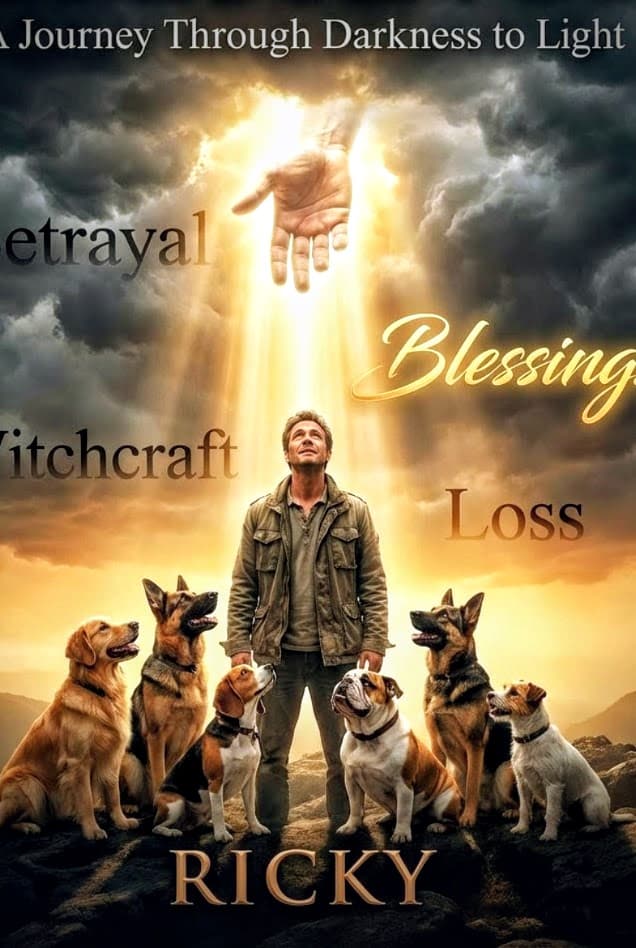
This book is a deeply personal work of non-fiction that traces one central question woven through every chapter: How does anyone keep breathing, trusting, and standing when the people and places that were supposed to be safe turn into the source of their deepest wounds? Drawing inspiration from real survivor testimonies of violent betrayal, spiritual confusion, and emotional devastation, it follows the journey of a soul that refuses to die, clinging to God when every earthly anchor is cut loose
At its heart, Surviving the Night is a survival story about faith. Not faith as a clean, polished slogan, but faith as it actually feels in the dark. It begins with the shock of discovering that someone trusted for years has been hiding an entirely different life, holding beliefs and alliances that contradict everything they claimed to stand for. That moment of revelation does more than break a relationship. It tears open reality itself and leaves the survivor questioning their own judgment, their memories, and even their sanity
From there, the book explores the long aftermath of such a rupture. It looks at how the mind scrambles to make sense of unthinkable events and how spiritual language can become a way to frame, name, and survive what otherwise feels like pure chaos The story traces the progression from acute terror and hypervigilance to a form of exhausted numbness where danger seems to lurk everywhere and nowhere at once. Rather than treating these reactions as weakness, the book honors them as the body’s desperate attempts to keep going after reality has been shattered.
Alongside this psychological and emotional journey, Surviving the Night focuses on the quiet but fierce thread of faith that refuses to snap. In the moments when human support collapses, the narrative shows how the survivor leans into God not as an abstract concept but as a living presence that intervenes, warns, comforts, and holds them together. The book pays particular attention to unexpected sources of comfort, such as the loyalty of animals whose presence provides grounding and a sense of protection when human trust has imploded These bonds become living metaphors of how divine love can feel during the worst storms: wordless, steady, and unconditionally on your side.
Each chapter moves between vivid personal scenes and reflective sections that unpack what is happening beneath the surface. Readers are invited into the survivor’s experience of:
- The initial blow of betrayal and violence and how it corrodes the ability to trust anyone, including oneself.
- The strange, disorienting mix of visible and invisible threats, where some dangers are physical and others feel spiritual or psychological in ways that are hard to explain.
- The grinding, day to day reality of living in fight-or-flight mode, scanning constantly for attack and wondering if you are losing your mind.
- The slow discovery that God has been present all along, not removing every pain, but preserving life, sanity, and dignity in ways that only make sense when you look back.
- The deep need for some form of justice or moral balance, and how stories of consequences for wrongdoers can help survivors feel that the universe is not entirely indifferent to their suffering
This is not a book that offers neat answers. It does not pretend that faith erases trauma or that a single prayer makes scars disappear. Instead, it invites readers to witness how faith and survival become intertwined in the real world, where healing is uneven, messy, and sometimes painfully slow. It shows how a person can be honest about confusion, anger, and fear while still choosing to reach for God in the middle of it all.
Surviving the Night is written for those who have lived through their own private wars. It is for people who have been betrayed by someone close, who have walked through seasons of terror or relentless pressure, and who have wondered whether God has forgotten them. It is also for readers who want to understand trauma, betrayal, and spiritual struggle from the inside rather than from a safe distance.
By the end of the book, the goal is not for readers to admire someone else’s strength, but to recognize their own. The story insists that survival is not only about staying alive on the outside. It is about refusing to let darkness have the final word over your identity, your hope, or your future. It holds out a simple yet powerful conviction:
You can come through nights that should have destroyed you.
You can tell the truth about how bad it really was.
You can still believe that God is present, active, and able to bring you through.
Surviving the Night offers no shortcuts, but it offers a path. Step by step, chapter by chapter, it walks readers from the shock of betrayal to the first fragile moments of trust again, from the edge of despair to a hard-won, unshakeable belief that their story is not over.
Free Preview
2 pages leftUnlock full book for just $0.00