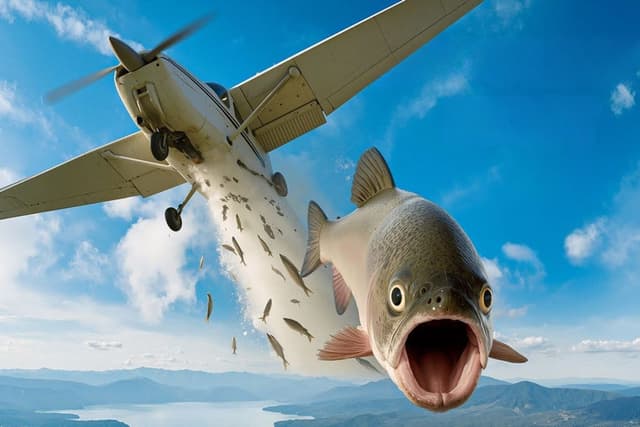
This book is a playful, information rich companion for children who are visiting or growing up around Cairns and Palm Cove, and who are fascinated by two things at once: the fish beneath the water and the planes in the sky. It turns a family trip into an adventure in noticing, helping kids see how their holiday fits into a bigger story about land, sea, and air around Tropical North Queensland, while still staying light, visual, and fun.
Across five chapters, the book follows a simple thread. First it invites children into the “world” of their trip, helping them see Cairns, Palm Cove, and nearby waters and skies as a set of habitats and pathways. Then it zooms in on three main habitats for fishing, and three main settings for planes and airports, always from a child’s level of curiosity. Finally, it gives them tools at the back of the book to record what they see, learn new words, and remember the big ideas long after the trip is over.
Chapter 1 introduces “Where You Are” in an easy, map like way. It gently sketches a shore zone, an estuary or river zone, and the nearby reef, with kid friendly icons that show boats, jetties, sand, and coral. At the same time, it shows how the sky above these places is a pathway for different aircraft that might be seen coming in and out of Cairns Airport. Children learn that their holiday location is not just a dot on a tourist brochure but a meeting point of land, water, and air, each busy with life and movement.
Chapter 2 focuses on “Fishing from the Shore and Jetty.” It presents a small, carefully chosen set of common local fish that children are likely to encounter from beaches and jetties around Palm Cove and Cairns, so they are not overwhelmed with identification work. The text explains where these fish like to hide, what the tide and time of day might mean, and what safe, respectful fishing looks like for kids. It nudges them to notice habitats rather than only think in terms of “catching,” encouraging questions about sand, rocks, shade, and water movement.
Chapter 3 moves into “Estuaries and Creeks,” where rivers meet the sea. Here, a fresh set of local estuary fish is introduced, again in a limited, manageable number that suits a 32 to 40 page book. Children learn that this zone is different from the open beach, with mangroves, muddy banks, and changing salinity. Short explanations help them see why certain fish prefer this mix of fresh and salt water, and why estuaries act like nurseries for many marine species. The chapter also touches on safety and care: respecting wildlife, staying clear of hazards, and leaving the area as clean as they found it.
Chapter 4 visits “Reef and Offshore Adventures,” extending the child’s view out from the shore to the reef environment they may reach by tour boat. Selected reef fish and habitats are introduced in a bright, simplified way, always linking back to what the child might actually see on a family trip, rather than trying to be a full field guide. The section highlights colour, shape, and behaviour, and quietly reinforces messages about not touching coral, keeping a safe distance from animals, and understanding that the reef is a living community, not a theme park.
Throughout the fishing chapters, small “Where You Are” map snippets help the child place each habitat in relation to Cairns and Palm Cove, so the book feels grounded in their real surroundings. This keeps the content local and specific, while still teaching general ideas about marine habitats that they can later apply elsewhere.
Chapter 5 weaves in “Planes, Airports, and Your Cairns Trip.” Instead of treating planes as a separate topic, the book follows one pretend family flight to or from Cairns. Children see what happens when they arrive at Cairns Airport, how they move through check in and security, what the runway and control tower are for, and what is happening during takeoff and landing. Brief science snippets explain lift, engines, and wings at a level suited to curious kids, but always tied back to what they can actually watch from their seat or an airport window.
Sideboxes labelled “At Cairns Airport” pop up beside general pages about airports and planes, pointing out local details such as tropical weather, nearby mountains, or views of the sea that make this location feel special. Children are encouraged to compare what they see in the book with what they notice out the window, building observation skills in the air just as they did at the water’s edge.
The back of the book provides simple, reusable tools that stretch the learning beyond the first read. There are short trip log pages where children can record when and where they went fishing or flying, what they saw, and how they felt. There are checklist pages for spotting a handful of local fish and common aircraft types, to avoid overwhelming them with long lists. Finally, a compact glossary and “big ideas” review reminds them of the most important words and concepts, from “estuary” and “reef” to “runway” and “turbulence,” turning holiday memories into lasting understanding.
The tone of the book is warm, curious, and respectful, written for primary school aged children who are ready to look a little more closely at the world around them, but who still need clear structure and visual support. It speaks as a friendly guide rather than a textbook, and it keeps both the sea and the sky in view, hopeful that children who learn to love and notice these places will be more likely to care for them as they grow.