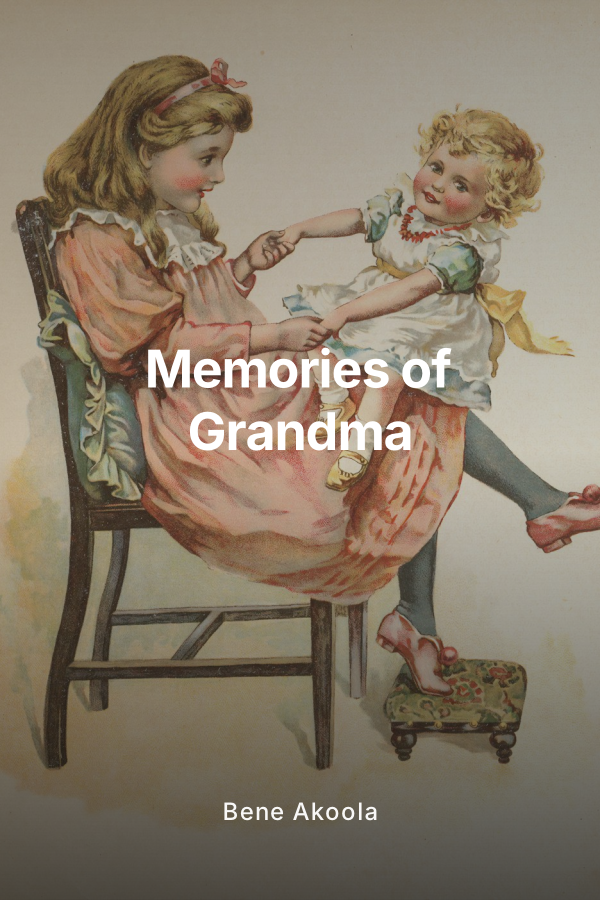
This picture book is a gentle, emotionally rich celebration of the bond between a young child and a beloved grandmother. Inspired by real family memories, it focuses on Grandma’s talents, warmth, and personality through simple, vivid scenes that 4 to 6 year olds can understand and cherish .
Told from the viewpoint of a single, curious grandchild, the story follows one cozy day at Grandma’s house that slowly unfolds into a treasure chest of memories. From morning to bedtime, each part of the day highlights a different side of Grandma: the way she cooks, the way she crafts, the way she welcomes others, and the way she makes the child feel safe, loved, and special.
The heart of the book is a “main event” moment in Grandma’s kitchen. The child stands on a little stool, apron tied in a crooked bow, helping Grandma cook a special family dish. The scene is full of sensory details designed for young readers: the soft pat of dough under tiny hands, the swirl of steam from a pot, the clink of spoons and bowls, and the warm, delicious smells that fill the whole house. As they cook together, Grandma hums a favorite tune and tells a tiny, child friendly story from her own younger days. This becomes the emotional centerpiece of the book, showing how everyday tasks become cherished memories when they are shared with someone you love.
Around this central kitchen moment, the book weaves in two or three short, specific memories that reveal Grandma’s talents and personality. In one scene, she is at the table with her craft basket, turning bits of fabric, buttons, or paper into something beautiful while the child watches and practices simple, safe steps. In another, she gently prepares the house to welcome a visitor, showing her kindness, tidiness, and care for others in a way that even young children can recognize and understand. Each mini scene is easy to follow, with clear actions and repeated phrases that invite young listeners to join in.
The emotional tone is cozy, reassuring, and quietly joyful. There is no big conflict or danger. Instead, the story shows how love lives in little things: an extra cookie on the plate, a carefully folded napkin, a patient smile when flour spills, and a soft hand that steadies the child’s when they try something new. Grandma is depicted as capable and creative, but also gentle and fun, someone who teaches without lecturing and turns ordinary tasks into moments of togetherness.
The book builds toward a simple but powerful ending. After the shared meal or finished craft, as evening comes, the child looks around and realizes that the whole day is now a collection of memories. In a quiet “thank you Grandma” moment, they hug or snuggle together, perhaps under a blanket or at the doorway when it is time to go home. The child may whisper or think a short, heartfelt line about wanting to remember this day forever. This ending gives caregivers an easy way to close the book with their own child, echoing the gratitude and love expressed in the story.
For young readers and listeners, the book offers:
• Clear, relatable scenes built around cooking and crafting with Grandma, focusing on what young children see, hear, smell, and feel.
• Repetition of key phrases and gentle rhythms in the text that support early language development and make the story fun to read aloud.
• A comforting portrayal of a grandparent figure who is both talented and tender, letting children see how adults pass on skills, stories, and values through everyday activities.
For adults, especially parents and grandparents, the book creates a bridge for conversation. It invites them to share their own memories of a special grandparent, or to create new rituals with their children: cooking a simple recipe together, trying a small craft, or telling a family story at the table. The story does not dwell on loss or sadness; instead, it quietly underlines the idea that moments of love become memories that stay in the heart, even as time passes.
Designed for ages 4 to 6, “Memories of Grandma” uses warm language and child friendly imagery to celebrate intergenerational love. It shows that a grandmother’s greatest talent is not only what she can cook or create with her hands, but the way she uses those talents to shape a grandchild’s sense of home, belonging, and joy.