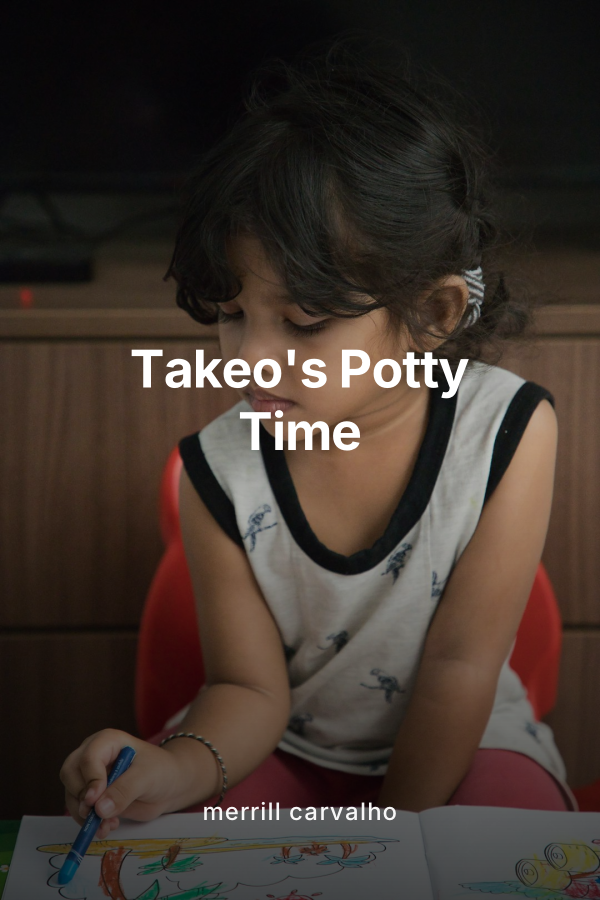
Takeo's Potty Time is a warm, toddler-friendly potty-training story about a chubby little boy named Takeo who feels nervous when his tummy starts to rumble. Set almost entirely in a bright, kid-friendly bathroom with a small potty seat, soft lights, a favorite towel, and a blue rug, the story follows Takeo step by step as he learns that potty time does not have to feel scary. With the loving help of Grandpa Mike, who stays cheerful, playful, and comforting, Takeo discovers that it is okay to feel nervous, and it is always okay to ask for help. The book is designed as a 15-page read with numbered pages, simple bathroom words, repeated phrases, and a calm, reassuring flow that makes the experience feel safe and familiar.
The story begins with Takeo feeling tummy trouble and worry building inside him. He does not yet know what to do, and the thought of pooping makes him feel uncertain. Grandpa Mike notices right away. Instead of making Takeo rush, he offers steady comfort and a happy cheerleader spirit. He tells Takeo to take his time, reminds him that he can do this, and uses the exact phrases the family chose, including “take your time,” “push as hard as you can,” and “get the poop out.” These repeated words help make the bathroom feel like a place of patience instead of pressure. The emotional heart of the story is not only learning a physical skill, but also learning trust, courage, and calm.
As Takeo moves through the potty routine, Grandpa Mike gently teaches him how to sit on the potty in a safe, simple way. Takeo learns that his feet can rest, his body can relax, and his breathing can stay slow. The story keeps the language clear and toddler-friendly, using short, easy sentences and familiar bathroom words like potty, poop, and tummyache. Because the book is meant for toddlers, every scene reinforces the same soothing idea in slightly different ways so the lesson stays strong without feeling repetitive. Takeo hears that he is brave even when nervous, and that brave does not mean never scared. Brave means trying anyway while someone you love stands beside you.
When Takeo finally feels ready, Grandpa Mike encourages him through the moment with warmth and excitement. The scene is written to make potty training feel like a victory, not a chore. Once Takeo poops, the story celebrates his success with clapping, cheering, and a special small chocolate bar right away. That treat becomes a joyful reward for all the effort, helping toddlers connect potty success with pride and positive feelings. The celebration also shows that finishing potty time is something to be happy about, and that Takeo’s hard work deserves praise.
The book then moves into two important follow-up moments. First, Grandpa Mike helps Takeo with wiping in a very simple, step-by-step way. This page teaches that cleanup is part of potty time too, and it should be done calmly and carefully. Then the story shows handwashing, another key routine that helps Takeo feel clean and grown-up. These final practical steps matter because they turn the potty experience into a complete learning moment, from first tummy trouble all the way to clean hands and a proud smile.
By the end of the book, Takeo feels relieved, happy, and strong. He has done something new, and he has done it with help. Grandpa Mike’s support shows that loving guidance can make hard things easier. The closing message is simple and memorable: It is okay to feel nervous, but you can ask for help always! That final lesson gives toddlers a comforting takeaway they can remember the next time their tummy feels strange or the potty feels scary. The story leaves readers with a sense of warmth, accomplishment, and confidence, making Takeo's Potty Time a reassuring little guide for young children learning that they can be brave in the bathroom.