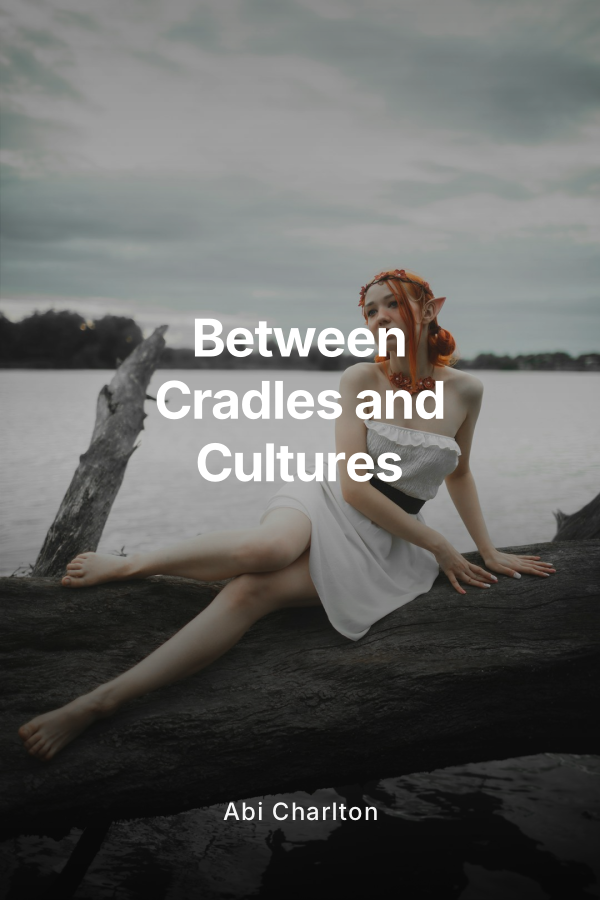
This book follows Abi and her Persian husband Kirarash in the fragile, luminous season that begins the moment they realize they are expecting a child. Their married life has barely begun when a positive pregnancy test turns soft newlywed bliss into something far more complicated. Excitement collides with fear, tenderness meets tension, and every heartbeat of the baby forces them to confront who they are as individuals, as partners, and as soon to be parents.
At its heart, the story explores how love matures under pressure. Abi carries a swirl of emotions she cannot always name, shifting from elation to panic in the same breath. She must learn to trust a body that suddenly feels foreign and a future that no longer fits the simple plans she once made. Kirarash, devoted and hopeful, battles his own quiet anxieties while trying to be the steady presence Abi needs. The pregnancy shines a light on their differences in communication, expectations, and upbringing, and those differences become both fault lines and bridges.
The book also traces the collision and blending of cultures that shape their home. Kirarash brings a rich Persian heritage filled with traditions, unspoken rules, and family expectations that do not always match Abi’s instincts and background. They must navigate customs around pregnancy, birth, and parenting that sometimes comfort and sometimes confuse them. The question of what to pass on to their child forces them to look deeply at what they themselves believe about family, identity, and belonging.
Across two tightly focused chapters, the narrative moves from the shock and turbulence of early pregnancy into a more grounded, hard earned tenderness as they approach parenthood together. Early joys, like hearing the first heartbeat and sharing the news, are woven together with moments of conflict, sleepless worry, and quiet reconciliations in late night kitchens and dim hospital waiting rooms. Each scene pushes Abi and Kirarash closer to an understanding that love is not simply a feeling but a daily, imperfect practice.
By the end of the book, the arrival of their baby does not fix everything, yet it transforms the meaning of every argument and every embrace that came before. The child becomes a living symbol of their willingness to stay, to grow, and to reach across fear and difference toward each other. Between Cradles and Cultures offers a moving portrait of a young couple learning, in real time, that the journey into parenthood is not just about welcoming new life, but about becoming new selves together.