This book is a fun, trendy beginner plus intermediate guide that invites teens and young adults into a home “beauty lab” where they can mix, create, and customize their own low-tox skincare, soaps, and perfumes. It balances playful, scroll-stopping ideas with real, practical recipes that actually work for teen skin and teen budgets. The focus is on homemade cosmetics first, with soaps and simple scents added as creative extras and gift or small business opportunities, all presented through the real needs and interests of young people rather than dry product categories.
At the heart of Glow Lab At Home is an empowering message: you do not have to wait for expensive brands to tell you what “beautiful” is. You can learn what your skin needs, choose kinder ingredients, and design products that fit your style, your values, and your wallet. The tone stays light and relatable, but the content is structured enough to feel like a complete 100 to 150 page handbook for anyone ready to get hands-on with their beauty routine.
The book is built around three core teen needs. First is Clean Skin and Acne Help, tackling the biggest everyday concern with simple, low-tox routines and recipes that respect young skin rather than punishing it. Second is Glow and Self Care, which turns beauty into a ritual of rest and self expression with masks, scrubs, balms, and calming treats. Third is Confidence and Sharing, where projects become gifts, party ideas, and even starter products for a tiny side hustle, supported by short, clear “how to” boxes for naming, pricing, and simple selling tips.
A Short, Non-Scary Intro
The book opens with a brief, easy to read introduction that feels more like a friendly big sibling than a textbook. It explains what “low-tox” really means in teen language, why certain strong or harsh ingredients can be a problem for young, reactive skin, and how to scan a basic ingredient label without getting lost in long words. Safety is covered in a very simple, reassuring tone: quick “do and do not” lists, basic hygiene while making products, patch testing for sensitive skin, and how to store homemade goodies so they stay fresh and safe to use.
The intro also touches on skin basics without going deep into science. Readers meet the main skin types in a quick, visual style and learn to match them to icons they will see later in the recipes, so choosing projects feels fast and smart instead of confusing. Teens are encouraged to see their skin as something to care for and understand, not something to be “fixed” at any cost. The idea of experimenting slowly, listening to their skin, and making tiny tweaks over time sets a healthy mindset for the rest of the book.
Icons That Make Choices Easy
Right from the first recipe, Glow Lab At Home uses simple recipe icons tailored to how teens actually make decisions. Alongside the project title and photo or illustration, a small row of symbols shows cost, time, difficulty, skin type, and a special tag such as “great for acne,” “perfect for gifts,” or “good to sell.” These icons let readers flip through the book and quickly spot a fast after-school project, a budget friendly idea for a sleepover, or a recipe that might grow into a little product line.
This visual system helps reduce decision fatigue, especially for beginners who may not yet feel confident reading full ingredient lists. It also makes the book feel more like a modern beauty guide than an old style recipe manual. Teens can quickly filter for acne friendly, glow boosting, or party ready projects without having to read every word first, which suits shorter attention spans and the desire for instant inspiration.
Section One: Clean Skin and Acne Help
The first major section anchors the book in one of the biggest teen concerns: breakouts and oily or combination skin. Instead of promising a miracle cure, it offers gentle routines and recipes that support clearer skin over time. The tone is comforting and realistic, focusing on consistency and kindness rather than harsh stripping.
Readers find simple daily cleansers made from mild natural ingredients, gentle spot treatments, and easy to mix clay or honey based masks that suit different skin types. Each recipe avoids complicated or hard to find materials and leans on accessible items teens can gather from a supermarket, health shop, or shared family pantry. There are quick explanations of why certain ingredients are chosen, written in short, plain language so nothing feels intimidating.
Throughout this section, the icons guide readers toward acne supporting options. Some projects are designed as “rescue” treatments for sudden breakouts, while others are framed as weekly reset rituals to keep skin calmer in the long run. Light, non greasy moisturizers and simple mists help complete the routine so teens are not left with only cleansers and masks. By the end, readers have a full, flexible acne aware routine that they built themselves.
Section Two: Glow and Self Care
The second major section expands the focus from problem solving to pleasure, turning the bathroom or bedroom into a mini spa. Here the mood lifts into self celebration rather than self criticism. Projects include brighten and hydrate face masks, softening lip scrubs, playful body scrubs with natural color accents, relaxing soaks, and light mists that turn a room or pillow into a calming zone.
This part of the book is where the fun and trendy vibe shines the most. Names, colors, and textures are designed to feel social media ready while still keeping ingredients gentle. Teens learn to combine scent ideas into very simple body mists or personal sprays that hint at the later perfume section. They are encouraged to use these projects as part of wind down routines, exam season stress breaks, or feel good rituals with friends.
Glow and Self Care is also where readers see more of the mix between real photos and cute illustrations. Finished products appear in styled but achievable settings, while step based sketches clarify techniques like melting, blending, and pouring without making the page feel heavy. The balance keeps the book visually inviting for young readers who are used to image rich feeds.
Section Three: Everyday Essentials for Lips and Basics
A focused section on lip care and small everyday essentials connects the dots between skincare and cosmetics. Teens learn to make their own lip balms, tinted balms, and glosses that sit somewhere between care and color, which suits a school friendly look. A few simple projects for multi use sticks or balms that can add a hint of shine to cheeks and lids help readers stretch each recipe further.
The icons here highlight cost and “good to sell,” since lip products are naturally suited to gift giving and small sales. The recipes are intentionally short and forgiving so beginners can get an early win. Adjusting color and scent in small, safe ways encourages creativity without requiring advanced formulating skills.
Section Four: Simple Soaps and Beginner Scents
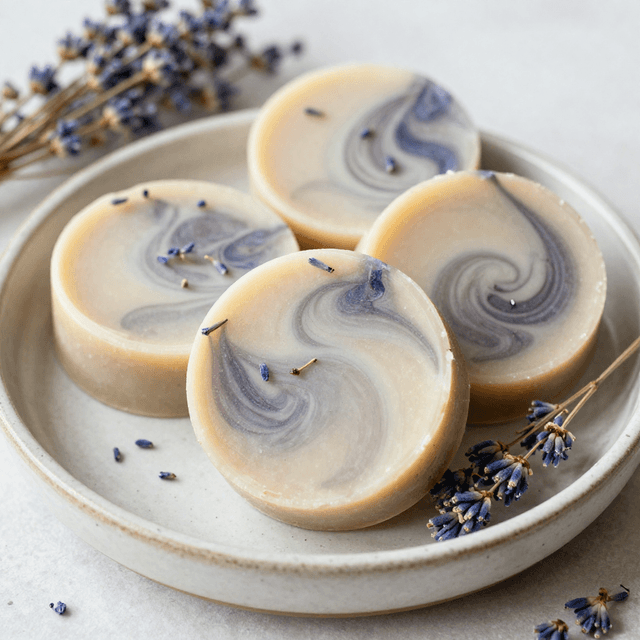
Although the book prioritizes cosmetics and skincare, a dedicated section on soaps and perfumes completes the “glow lab” feeling. Soaps are kept straightforward, favoring easy methods suitable for supervised teens or cautious first timers. Natural colors and simple patterns are introduced, along with very basic knowledge of safe soap handling written in a reassuring, non technical tone.
Perfume content centers on light body sprays, solid scents, and layering ideas rather than complex perfume chemistry. Teens learn to think in simple scent categories and experiment with combinations that match their mood or season. Projects are framed as an extension of self expression, from a calm scent for study time to a brighter blend for social events. Icons again highlight “perfect for gifts” and “good to sell” so readers see how these items can be shared or turned into tiny product lines.
Mini Guide: How To Turn Projects Into A Tiny Brand
Near the end of the book, a compact selling guide gathers the most practical advice into short, easy to digest how to boxes rather than long essays. This mini guide covers choosing a name and a simple visual style, basic pricing methods that take ingredient cost and time into account, and starter ideas for presenting products nicely with simple packaging. It also lightly touches on where teens might safely and appropriately share or sell their creations, such as school fairs, family events, or small online spaces with adult support.
The tone stays realistic and ethical. Readers are encouraged to test products well on themselves and close friends, start very small, and always respect rules, safety, and honesty about what homemade items can and cannot do. These pages are meant to spark entrepreneurial thinking without making big promises or promoting risky behavior. For many, it will simply be a fun way to imagine names, labels, and “mini brand” ideas while giving gifts that feel more polished.
Gifts, Parties, and Sharing
The final content wraps around the idea of sharing beauty as a way to build connection. The book suggests simple themed sets teens can assemble from existing recipes, such as an acne support bundle for a friend who is struggling with breakouts or a glow and calm self care box for someone under exam stress. Quick planning outlines help readers host DIY spa nights or beauty parties, using safe and easy recipes from earlier chapters as the main activities.
Throughout these suggestions, the book keeps returning to respect, consent, and positive body image. The goal is not to pressure anyone into changing how they look but to enjoy the creativity and comfort that comes from small rituals, kind ingredients, and handcrafted care. Readers are invited to see their work as a form of kindness to themselves and the people they care about.
A Confident, Hands On Invitation
Glow Lab At Home closes by reminding teens and young adults that DIY beauty is not about perfection. It is about learning, adjusting, laughing at the occasional failed batch, and slowly building a toolkit of recipes that match their skin and their style. The structure of the book, with its icons, short intro, sections based on teen needs, and mini selling guide, is designed to make that journey feel clear instead of overwhelming.
By the final page, readers have a solid first library of low-tox projects for face, lips, body, soaps, and simple scents, all tailored to issues like acne, glow, and gifting. They also have a taste of branding, budgeting, and sharing their creations, whether as thoughtful presents or early steps toward a tiny side hustle. Above all, they come away with a more relaxed, empowered relationship with beauty, knowing they can shape what goes on their skin and what their self care looks like, one small batch at a time.